

First Battle of Manassas Battlefield
Updated: Jan 10, 2025
During a recent visit to Washington, D.C., I felt the urge to explore some nearby history. The Manassas National Battlefield Park, site of the First Battle of Manassas (or Bull Run), was nearby, so I made a sudden decision and headed toward the Henry Hill Visitor Center. Once there I set off on a journey back to July 21, 1861—the day when the first major battle of the Civil War erupted on these fields.
Arrival at the Battlefield

I arrived at the Henry Hill Visitor Center at around 10 a.m. on Sunday, June 9. The weather was warm and sunny, much like the fateful day of the battle itself. Timing couldn't have been better—I arrived just as a short guided tour was about to start. The guides at Manassas conduct these tours at regular intervals, offering visitors a detailed, personal glimpse into the battlefield's storied past.
The Tour Begins

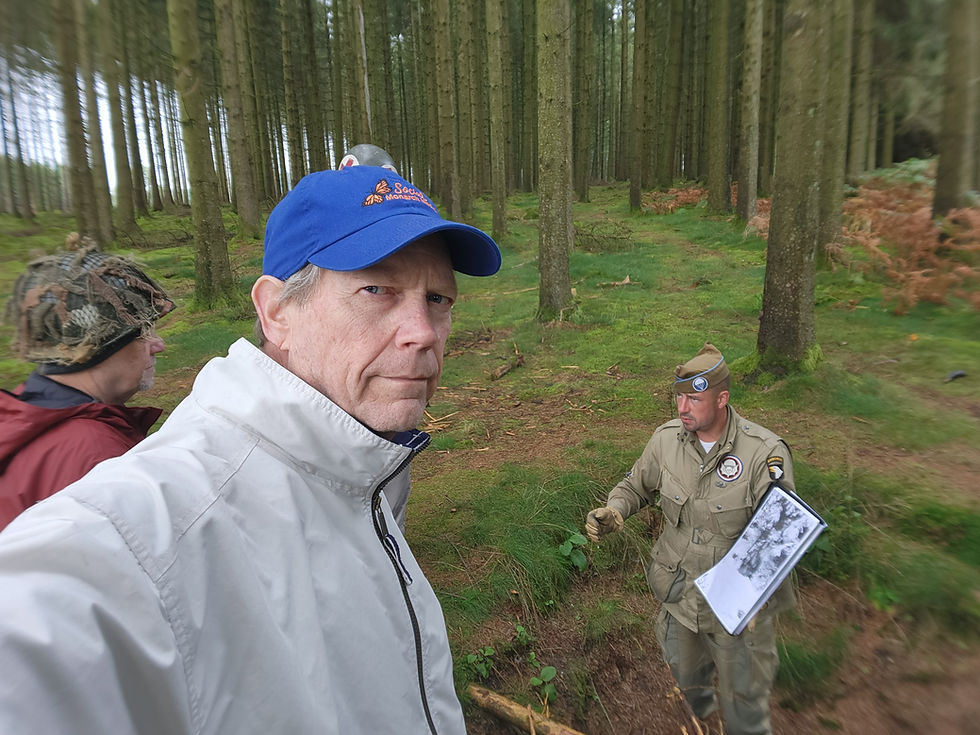
Our guide, despite it being his first day, handled his role with a mix of nervous energy and deep enthusiasm. His friendliness and vast knowledge shone through as he introduced us to the critical importance of Manassas during the Civil War. This location, a vital rail junction, was a strategic target for both the Union and Confederate forces. Control of this hub meant easier movement of troops and supplies—key advantages in a war that was just beginning to escalate.
Setting the Scene
As we gathered around, the guide delved into the historical context leading up to the clash. He painted a vivid picture of two relatively inexperienced armies poised for a confrontation that neither fully anticipated would be so monumental. General Irvin McDowell led the Union forces, while General P.G.T. Beauregard commanded the Confederate troops, aided by General Joseph Johnston. These leaders, facing each other for the first time with such large armies, were about to engage in a battle that would shatter any illusions of a short war.
The First Battle of Manassas
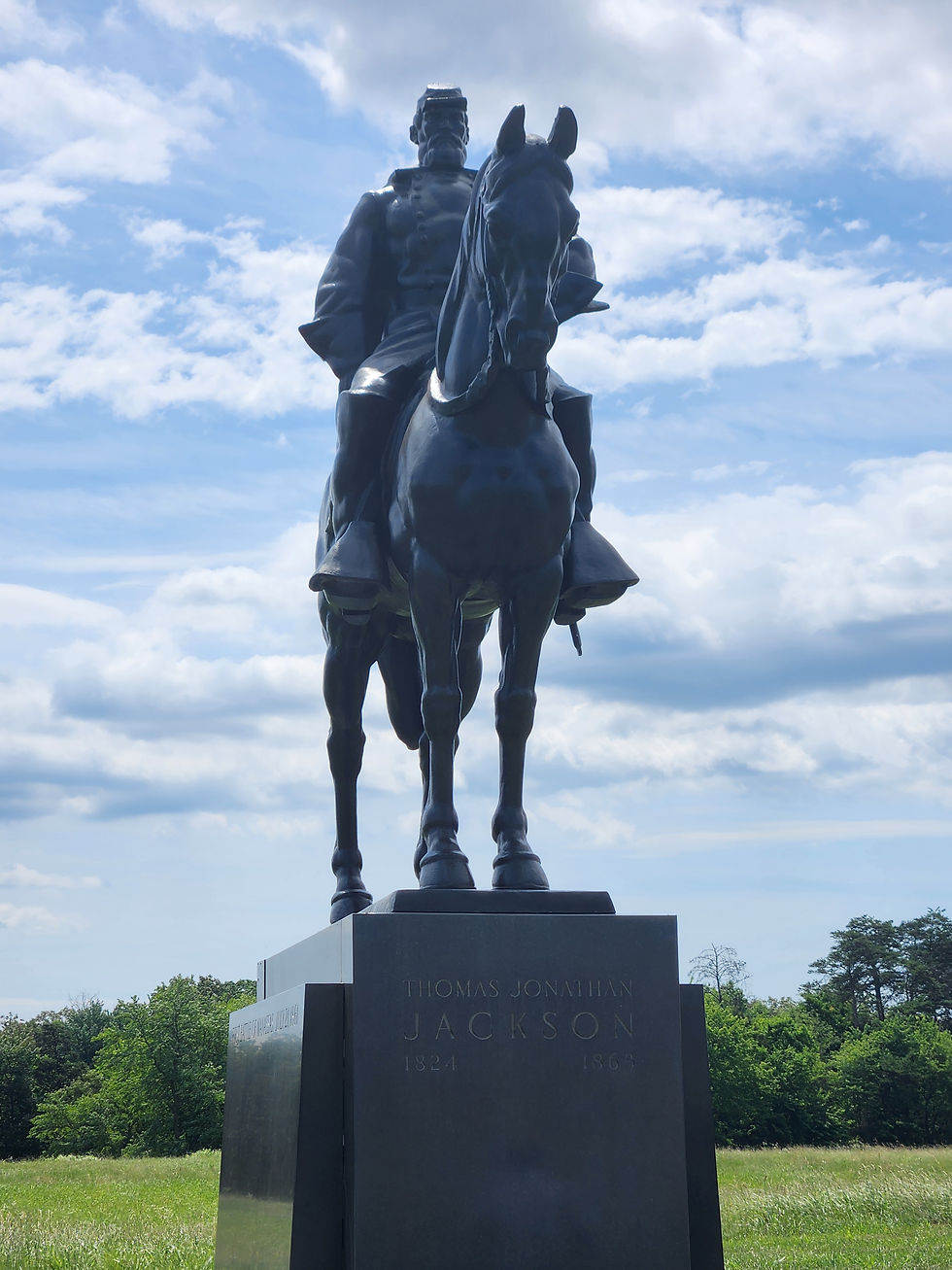
Our guide’s storytelling brought to life the chaos and confusion of that July day in 1861. He described how the battle began with Union forces attacking the Confederates along Bull Run. The initial skirmishes quickly escalated into a full-blown battle as more troops from both sides poured into the fray. One of the most compelling moments came when he recounted the stand of General Thomas J. Jackson, who earned his famous moniker “Stonewall” here at Manassas. Jackson’s steadfast defense became a turning point, inspiring the Confederates to hold their ground against the advancing Union troops.
Exploring Henry Hill

From the visitor center, we walked to the iconic Stonewall Jackson statue, which majestically overlooks the battlefield. The statue stands as a tribute to Jackson’s pivotal role in the Confederate victory that day. We then moved to the Henry House, another significant landmark. The Henry House, home to Judith Henry, who tragically became the battle’s only civilian casualty, now serves as a poignant reminder of the war’s far-reaching impact on ordinary lives. Our guide led us through these key sites with insightful commentary, making the history come alive. The entire tour was just under an hour—ideal for those with limited time or those who, like me, were fitting in a spur-of-the-moment visit.
Back to the Visitor Center

After the tour, I headed back to the visitor center to watch the 45-minute film that chronicles both battles of Manassas. The movie, which starts on the hour, provided a comprehensive overview of the conflict and added layers to the narrative we had just explored.
The adjacent museum, though small, is packed with artifacts and exhibits that deepen your understanding of the battles’ significance.
Reflections on the Visit

Walking the grounds of the First Battle of Manassas, I was struck by how serene and beautiful the landscape is today, in stark contrast to the tumult of battle that once raged here. The experience was not only educational but also a moving tribute to the thousands of soldiers who fought and the civilians caught in the crossfire.
The tour provided a perfect balance of history and nature, making it accessible and enjoyable for visitors of all ages and fitness levels. It’s an ideal stop for anyone interested in American history or looking for a meaningful way to spend a few hours.
Looking Ahead
While I only had time to explore the site of the first battle, I’ve added the Second Battle of Manassas to my list for a future visit. This later conflict, which spanned several days and covered a larger area, offers a driving tour that promises another deep dive into the complexities of the Civil War.
For now, though, I left Manassas with a deeper appreciation for the rich tapestry of history that unfolded on those fields. If you find yourself near Washington, D.C., I highly recommend taking a detour to Manassas National Battlefield Park—it’s a step back in time well worth taking.
Practical Tips for Your Visit
Timing: Arrive early to catch one of the guided tours, which are offered regularly throughout the day.
Tour Duration: The guided tour lasts about an hour—perfect for a concise yet comprehensive overview.
Visitor Center: Don’t miss the hourly film and the small but informative museum.
Accessibility: The walk is low difficulty, making it suitable for visitors of all ages.
Future Visits: Plan to return for the Second Battle of Manassas tour, which is a driving tour covering more ground.
Recommended Reading: According to most experts, the best book about the First Battle of Manassas (also known as Bull Run) is "The First Battle of Manassas: An End to Innocence" by John Hennessy; it provides a detailed and readable account of the battle, considered the premier study on the subject by many Civil War historians
Whether you're a history buff or just someone looking for a peaceful walk through a place of profound significance, Manassas National Battlefield Park offers a rich and rewarding experience.
Comments