

Bastogne: Annual Liberation Celebration
Updated: Sep 20, 2025
This was my second time in Bastogne—I first visited back in 2018—but this trip was special. My friends Aldon Collier, John Vranas, and I ended up being there at the perfect time, when the town was celebrating the 80th anniversary of its liberation during World War II.
We arrived in Bastogne on September 7th and checked into Hotel Melba, which I highly recommend. It’s in the middle of town, and after long days of exploring, it was the perfect place to stay. The staff were friendly, and the rooms were clean and comfortable... and they offered a very nice free breakfast.
We had planned to visit the 101st Airborne Museum and the Bastogne War Museum—both of which were amazing and they bring the history of WWII and the Battle of the Bulge to life. Walking through those exhibits gave us such a sense of what soldiers went through, and it was powerful to stand in the very place where these battles happened. But the real surprise happened when we realized we’d arrived during the 80th Liberation Festival. McAuliffe Square, was buzzing with activity all weekend. There were WWII re-enactors, vintage vehicles (some we later learned were part of the personal collection of our guide, Lionel Colla, and his father), live bands, food, and beer.
What I really enjoyed though, were the kids. Watching them run around and play games while their parents and grandparents shared stories about the town’s liberation—it felt very special. This wasn’t just a history lesson; it was a community celebrating their freedom, something they’ve passed down through generations. The whole town was like a living history book, but far more personal than anything you’d find in a book or classroom.
Of course, there were moments of reflection, too. Every year, they hold a flower-laying ceremony at several monuments to honor the soldiers who fought and died for Bastogne’s freedom. It was really moving to watch local citizens and officials pay their respects—it brought home just how much was sacrificed to win the peace we enjoy today.
We also caught a concert by the Royal Navy Band—it was a perfect way to wind down after such an incredible day. The town’s mayor gave a speech and he talked about how important it is to keep fighting for democracy and respect for one another, which honestly felt like a message we could all use right now.
Even though we were some of the only Americans at the festival, we felt completely welcomed. The locals were friendly, and by the end of the weekend, we had made new friends. Sharing in their celebration of such a meaningful day was something I’ll never forget. I feel grateful for the chance to be part of this celebration. It was a reminder of how lucky we are to have the freedoms we do, thanks to the bravery of those who came before us.
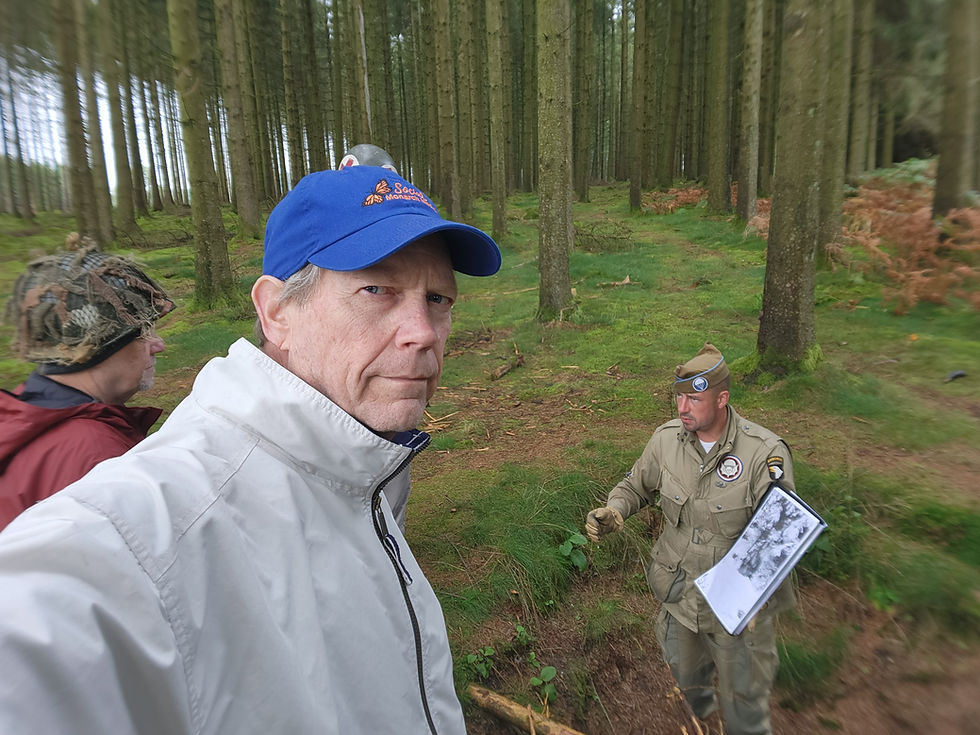
In my next post, I’ll dive into our guided battlefield tour with Lionel Colla, where we literally walked in the footsteps of the soldiers who fought here. It was definitely the highligh of my trip and I highly recommend this tour.
Until then, if you ever get the chance to visit Bastogne, do it. The history is rich, the people are great, and you’ll leave with a whole new appreciation for what this little town has meant to the world.
History Note:
Bastogne, first liberated on September 10, 1944, was thrust back into the chaos of war just a few months later during the infamous Battle of the Bulge. In December 1944, the town became a key target of the German counter-offensive. Surrounded by German forces, Bastogne endured brutal fighting and a harsh winter while the 101st Airborne Division and other Allied troops held their ground until reinforcements arrived on December 26.
The toll on Bastogne was immense. During the battle, roughly 90% of the town’s homes were destroyed, leaving much of the community in ruins. Tragically, over 3,000 soldiers and civilians lost their lives in the fierce fighting and bombardments that ravaged the area. Despite the heavy losses and destruction, the people of Bastogne remained steadfast.
Today, the town continues to honor its liberation with pride and gratitude. Annual celebrations include parades, reenactments, and ceremonies that remember the sacrifices of the Allied forces—especially the 101st Airborne Division—and the resilience of the civilians who endured those dark days. The enduring spirit of these commemorations reflects the strength, unity, and determination of Bastogne’s people, who have turned a painful chapter in their history into a tribute to freedom and perseverance.
Comments